
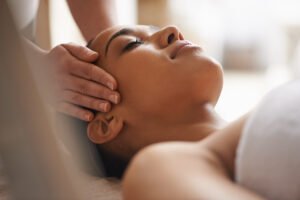
How to Prepare for a Massage Effectively
Protect yourself from a bad first massage. Learn how to prepare for a massage with simple, step-by-step advice on what to expect, choose the right treatment, and aftercare.
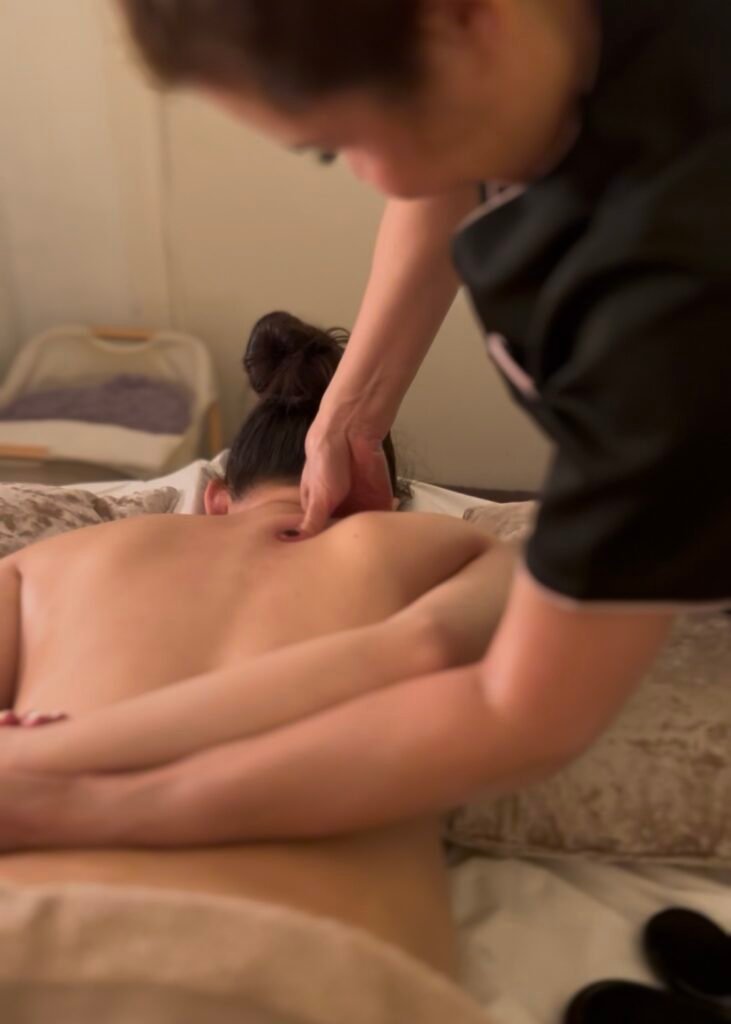
If you have ever had a massage from a Thai therapist and thought it felt different from anything else you have tried, you are probably right. The standard Thai people hold massage to is genuinely high. Not just in terms of pressure, but in understanding. A Thai therapist learns to read the body, to find the right points, to know where tension actually lives rather than simply working the surface. Pressure can always be adjusted. But knowing exactly where to apply it takes years to develop. In Thailand, that is considered the bare minimum.
That standard does not come from nowhere. It comes from a culture that has treated massage as proper healthcare for over 2,500 years, not a luxury add-on.
Where It Began
Thai massage traces its roots back to India, travelling to Thailand alongside Buddhism over 2,500 years ago. For generations, masters taught students entirely by touch and memory, long before anyone wrote it down. Over time, Thai culture, Thai hands and Thai standards shaped it into something distinctly its own.
The Techniques Are Unlike Anything Else
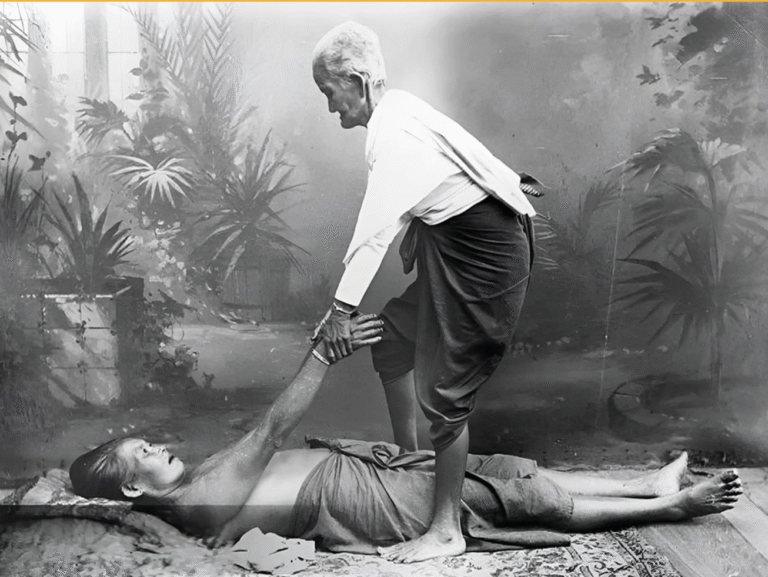
Part of what makes massage by Thais distinctive is the sheer creativity of the technique. Most Western massage traditions use hands. Thai massage, however, uses the whole body. Thumbs, palms, forearms, elbows, knees and feet all come into play. Therapists stretch, compress, rock and apply their full body weight in combinations that take years to develop properly. Some positions look more like assisted yoga than anything you would find on a massage table.
Two main traditions shaped these techniques. The royal court style was precise and controlled. Therapists used only fingers and palms, following strict rules, as this was formal medicine for the king and aristocracy. The folk style, on the other hand, was altogether more physical. Therapists used elbows and knees on tired farmers and feet to tread along energy lines on people who had spent all day working the land. Two very different worlds. Both demanded genuine skill. And both live on in the hands of every properly trained Thai therapist today.
A Government Department. In 1455.
In the Ayutthaya era, the Thai royal court created a formal government department dedicated entirely to massage physicians. These therapists received official royal titles and land rights, on a par with military officers. In other words, in 15th century Thailand, a skilled massage therapist held a government rank. That tells you everything about how seriously the profession was regarded.
Knowledge Carved Into Temple Walls
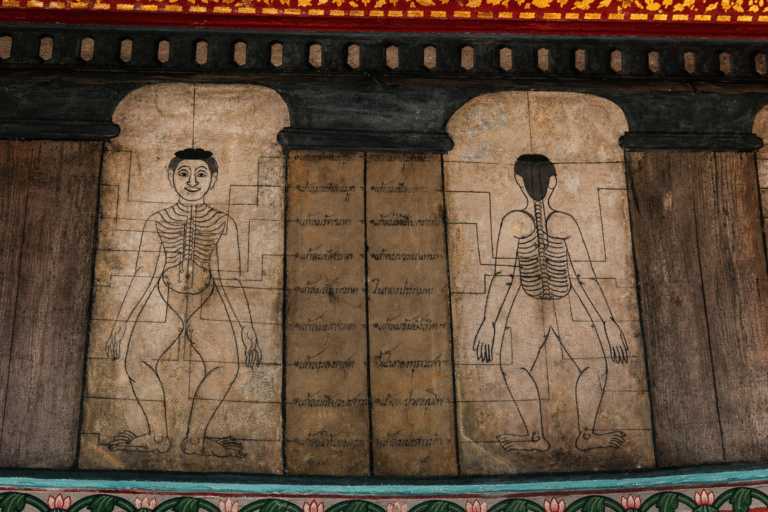
In the 1830s, King Rama III was so determined to preserve traditional massage knowledge that he commissioned scholars to engrave it onto 60 marble tablets at Wat Pho temple in Bangkok. The tablets mapped the body, the energy lines, the pressure points and what each one treats. As a result, Wat Pho became Thailand’s first centre of public learning for massage and remains the most respected school in the world today. In 2019, UNESCO inscribed Thai massage on its list of Intangible Cultural Heritage of Humanity.
The Royal Consort Whose Hands Were Irreplaceable
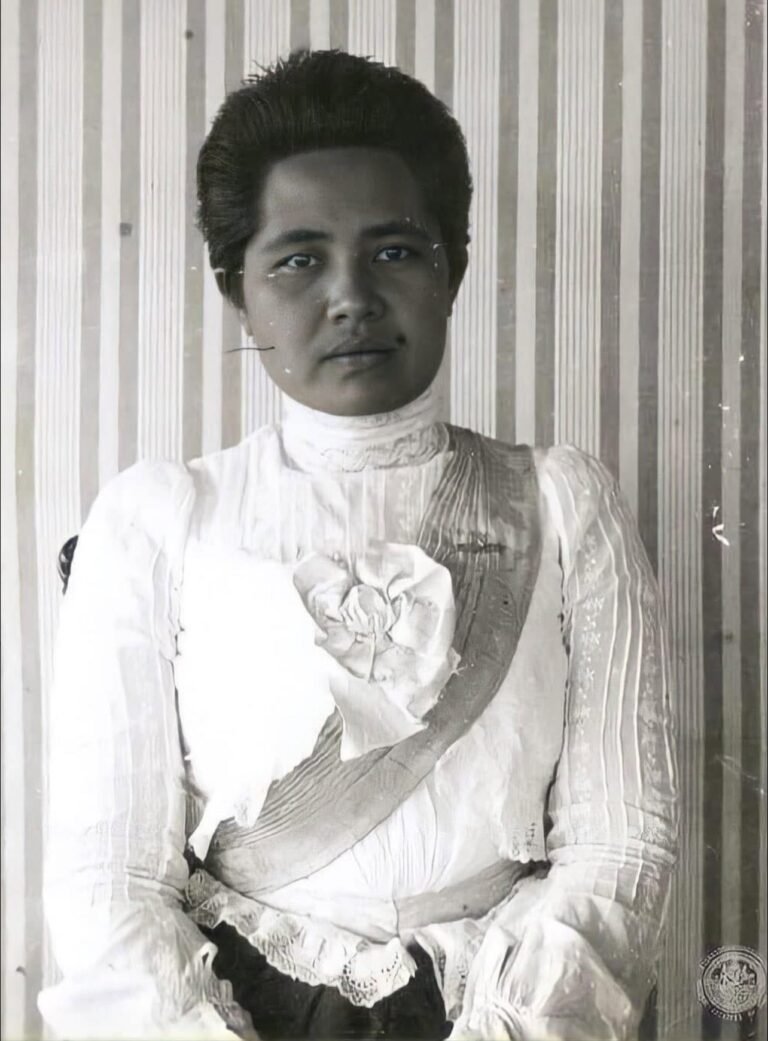
Among the royal consorts of King Rama V was Chao Chom Iam, known throughout the palace for her exceptional massage skill. The king suffered from chronic aches and relied on skilled hands to sleep at night.
During his royal tour of Europe in 1907, male servants attended him instead. He wrote letters back to Bangkok expressing how much he missed the quality of massage he was used to at the palace. In one letter, he mentioned Chao Chom Iam by name, making clear that her skill was something he had simply not been able to replace.
Still Serious Today
Thailand has never let this knowledge fade. Today, Thai massage forms part of the Bachelor of Applied Thai Traditional Medicine degree at the Faculty of Medicine Siriraj Hospital, Mahidol University, one of the country’s most prestigious medical institutions. Furthermore, Thailand trains blind and visually impaired people as professional massage therapists, because without sight, the sense of touch becomes extraordinarily refined. Many people in Thailand will specifically seek out a blind masseur for precisely that reason.
Protect yourself from a bad first massage. Learn how to prepare for a massage with simple, step-by-step advice on what to expect, choose the right treatment, and aftercare.

Discover the story behind Be Thai Massage in Earlsfield. Learn how my journey from a Thai village led me to open an authentic Thai massage studio in London
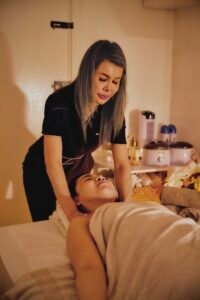
Choosing the right massage can feel confusing with so many options. This guide helps you decide which treatment suits your body and goals, whether it’s deep relaxation, pain relief, flexibility, or targeted care. Learn how to pick the perfect massage — from Thai and oil treatments to prenatal and sports-focused techniques