
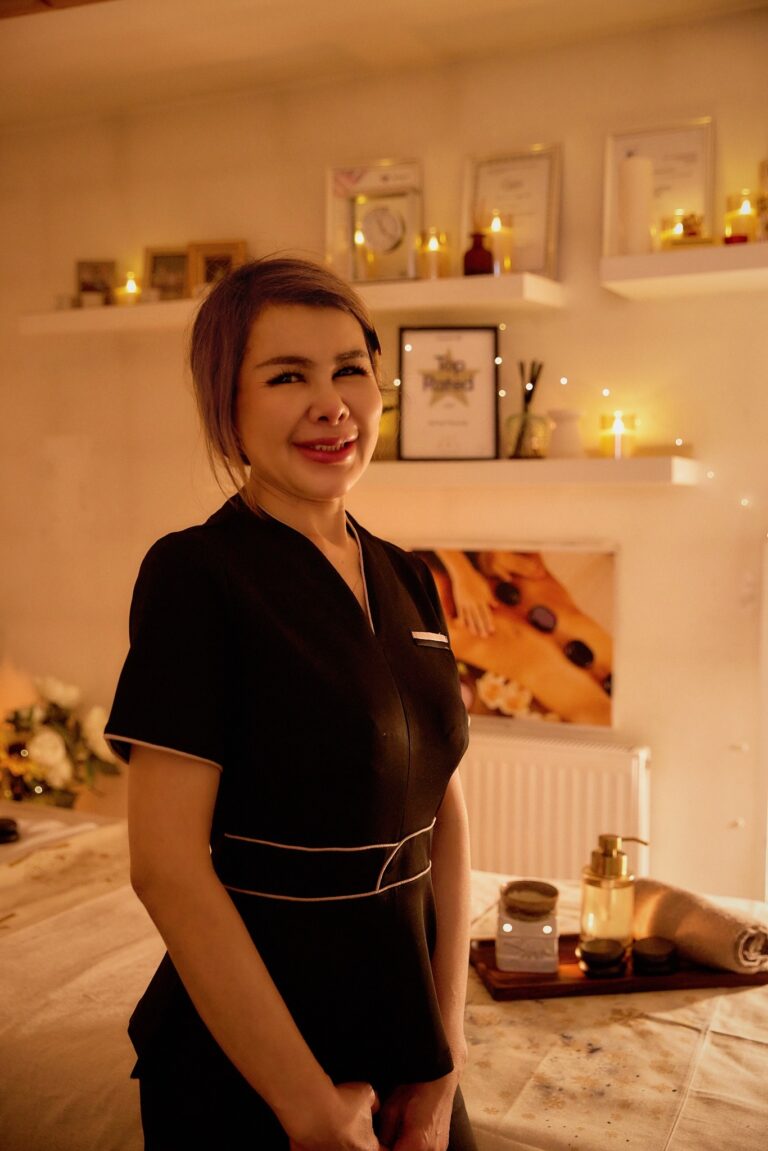
My Journey: From a Thai Village to a London, Earlsfield Massage Studio
Discover the story behind Be Thai Massage in Earlsfield. Learn how my journey from a Thai village led me to open an authentic Thai massage studio in London
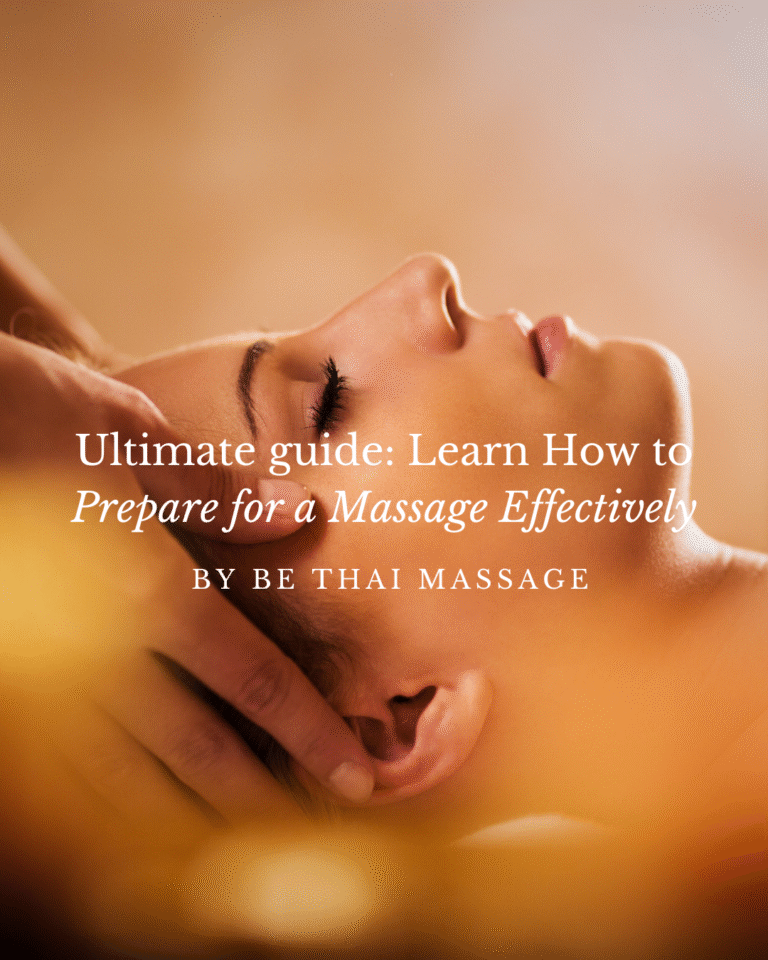
Massage is relaxing and restorative, but if it’s your first time, it’s normal to feel a little unsure. Knowing what to expect before, during, and after your session helps you get the most from it.
Not all massage studios are the same. In the UK, therapists should hold a Level 3 Diploma in Massage or a similar qualification. Studios offering special treatments need a Massage and Special Treatment licence from the local council. Most therapists also have public liability and professional insurance and are members of recognised bodies like the Federation of Holistic Therapists (FHT). This ensures safety, professionalism, and peace of mind.
Different massages suit different needs. If you work out a lot, a deep tissue or sports massage can help with muscle recovery. If you want relaxation or stress relief, a gentler oil or aromatherapy massage is better. Read reviews, check studio websites, and compare options before booking.
Some conditions mean massage isn’t safe. For example, people with DVT, pregnancy complications, recent surgery, or serious illness should speak with their doctor first. Most professional studios will refuse treatment in these cases to protect your health.
Arrive 10–15 minutes early to complete consultation forms. These forms give the therapist information about your health, concerns, and preferences. Avoid heavy meals right before your session, wait 30–60 minutes to digest. Use the restroom beforehand and think about what you want to get out of your massage, whether it’s relaxation, pain relief, or recovery.
Bring socks or a sweater if you get cold easily. Check if the studio offers music, oils, or heated tables. Some people like leaving their phone in a bag or on silent to fully switch off. Small preparation steps like these make your experience more comfortable and enjoyable.
Speak up if the pressure is too light, too firm, or if you want to focus on a particular area. If you realise the treatment isn’t right for you, letting your therapist know early helps adjust the session to suit your body. Your comfort, privacy, and overall experience are just as important as the physical massage.
Drink plenty of water to help your muscles recover and flush out tension. Avoid heavy exercise or alcohol immediately afterwards. Feeling calm, light, or sleepy is completely normal.
A warm bath or gentle stretching later in the day can help extend the massage’s effects. Take a few quiet minutes before resuming daily activities to let your body absorb the relaxation. Track which types of massage help you most; it will guide your future choices.
Discover the story behind Be Thai Massage in Earlsfield. Learn how my journey from a Thai village led me to open an authentic Thai massage studio in London
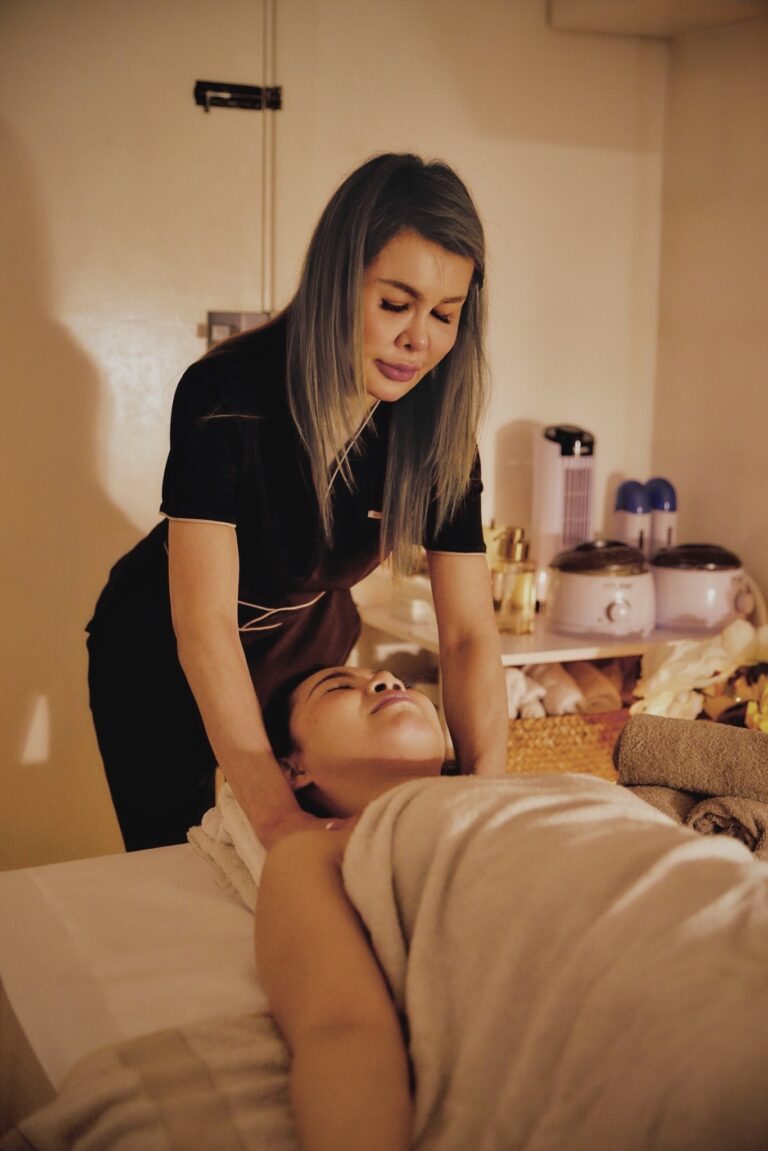
Choosing the right massage can feel confusing with so many options. This guide helps you decide which treatment suits your body and goals, whether it’s deep relaxation, pain relief, flexibility, or targeted care. Learn how to pick the perfect massage — from Thai and oil treatments to prenatal and sports-focused techniques